How forensic engineering turned a generator breakdown into a long-term asset strategy, saving £87k per generator turbine, £2.26m across the farm.
Continue reading...KNOW+HOW Hub
Bringing you the latest industry news, views and features, plus technology updates, comments and information.
Search Blogs, Case Studies, Events & News:

We are pleased to announce that ERIKS UK & Ireland is now trading as Rubix Industrial Services.
Continue reading...
When the ERIKS team first arrived at a major pharmaceutical site to conduct a routine hose survey, the client estimated they had around 300-400 hoses to inspect
Continue reading...
When you’re working in an industry where the air bites, the ground shakes, and water and dust seep into every crevice, your bearings need more than luck....
Continue reading...
When a leading global connectivity manufacturer spotted cracks spreading across the aluminium capstan drums at the heart of its aviation cable production line..
Continue reading...
There’s a growing demand for solutions that are smarter, simpler, and more cost-effective – and integrated valve and actuator systems are stepping up as a power
Continue reading...
Often, the effect of earth, water, air and fire conspire against our best efforts to improve our lives. For engineers, this can mean an ongoing battle to...
Continue reading...
Every day, an energy-from-waste facility on the edge of Birmingham turns 350,000 tonnes of residual waste into 25MW of electricity powering around 25,000 homes.
Continue reading...
When a container ship docks, the clock starts ticking. Every lift, every move, every minute depends on the reliability of the ship-to-shore cranes....
Continue reading...
When a major energy operator discovered that the safety valves in its gas turbines were becoming obsolete, it faced a significant technical and operational....
Continue reading...
Downtime has long been one of the most stubborn challenges facing onshore wind operators. When yaw gearboxes fail, turbines can be left idle for months while...
Continue reading...
Cobots, or collaborative robots, are at the heart of the manufacturing evolution and designed to work alongside people, enhancing human capability on the...
Continue reading...Never miss an update
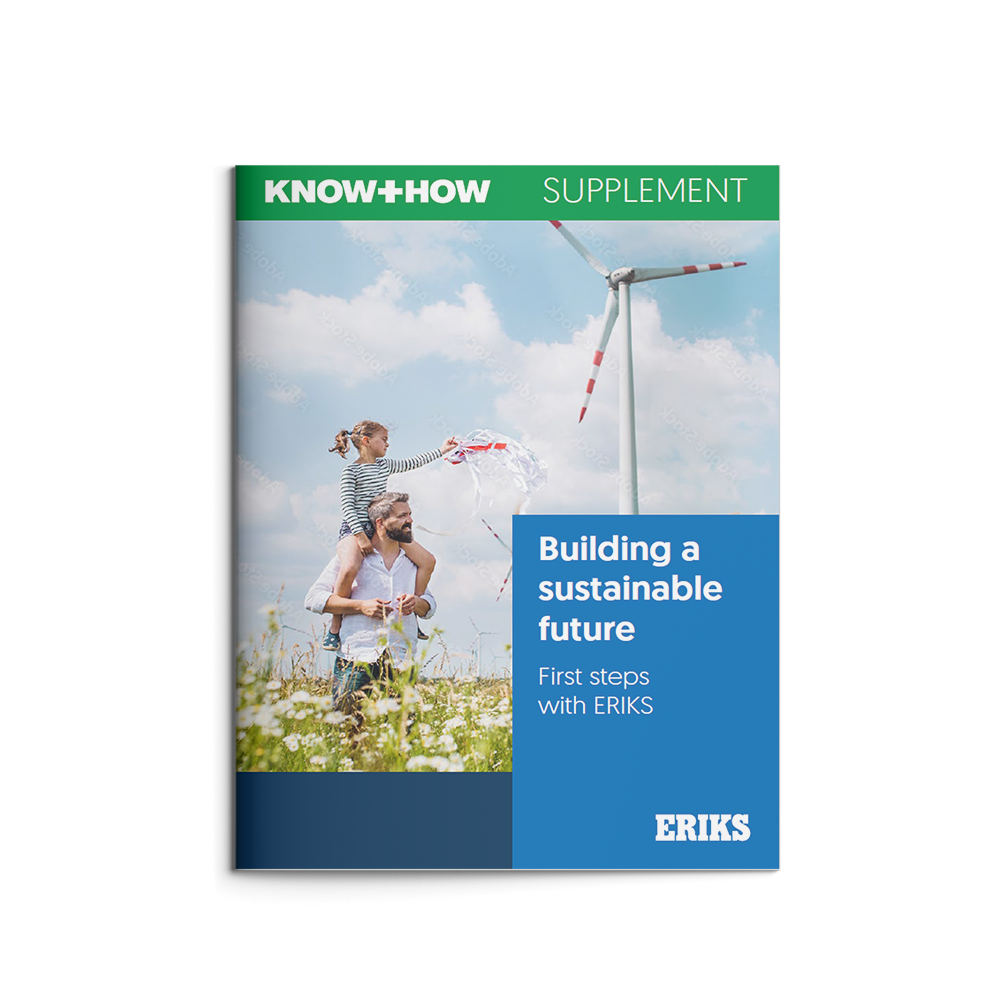
Trends to digest in KNOW+HOW magazine
Know+How Magazine is the leading magazine for maintenance engineers from ERIKS. Missed an issue?
We explore:
- ERIKS In Action
- In Focus
- Debate
Download your copy today.
All issues are available to download
Recently read
No blogs have been read by the user
How to contact us:
Get in Touch
Looking for a custom Product quote? Need an answer to a Technical question? Looking for Careers/HR support? Want to work with us? Interested in our Digital Trading solutions? Have a finance question? Send us your enquiry and a member of the team will be with you quickly.
How are we doing?
We strive to deliver exceptional quality service and products. As part of this goal, we encourage customers to submit feedback on their experiences so we can resolve any issues and concerns.
Call us or find your local Branch
We strive to deliver the best quality service and products. As part of this goal we encourage customers to submit feedback on their experiences so we can resolve any issues and concerns.
Call us: +441215086000